
What do you think about when you see a rose or better yet,
smell a rose?
Each person remembers and experiences a particular smell
like rose very specifically and individually. Though we seldom think about it,
our natural sense of smell is very acute and is an important tool that our body
may use for survival and to form deeper experiences with our world. Our
fragrant snippets then become memories linked with emotion.
Many varieties of roses have distinct smells. Some are more
pleasing than others just as some wines are more to our liking than others
while some varieties have been bred not to have a smell. Who hasn’t stopped to
smell a rose that someone has given you and been disappointed when there was
little or no smell?
Why do we smell them at all? Are we trying to get to know
them? Are we seeking to appreciate them to the fullest? I would like to believe both are
true. When we slow down and savor
the whole experience; the desire of knowing them better, the appreciation of
their beauty and the opening of our minds to link their fragrance with a
beautiful memory and emotion then we have lived that moment to the fullest.
It is no wonder that memories like that sustain us and that
the rose is associated with the heart because it’s not just our noses that do the
smelling. The
cells that line our gut, kidneys, heart, blood
vessels, and more contain olfactory receptors. Recent research has found
that these receptors respond to scents and may even help regulate
blood pressure. 1
Our attraction to roses may also have much to do with their
complexity. Plants have more complex DNA structures than humans, but the rose
even exceeds other plants having over 500 fragrance compounds with each
variety and individual plant releasing its own unique combination. 2
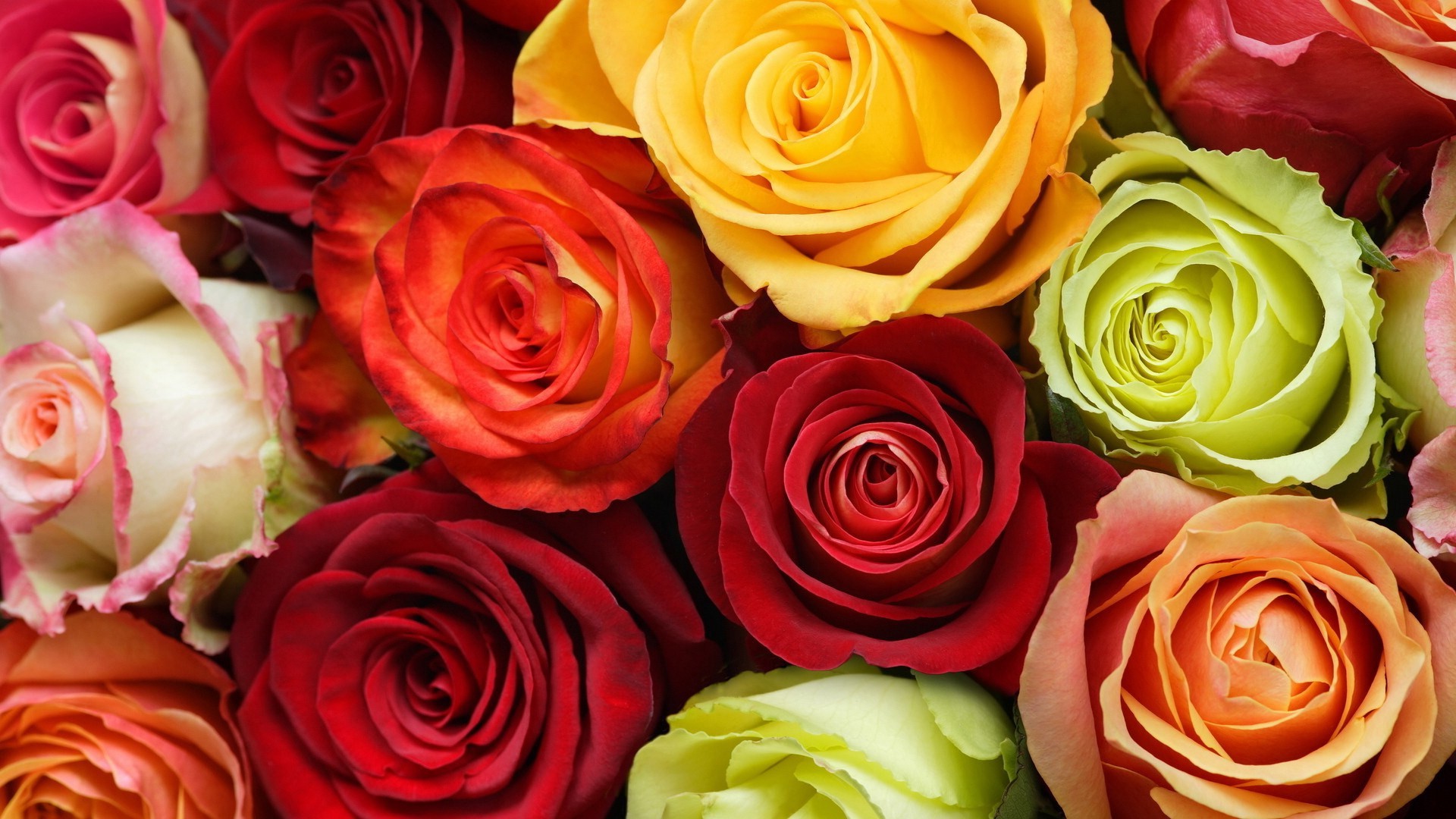 A rose’s scent compounds
also vary by time of day (more fragrant in the morning), weather (stronger when it is sunny
and just before a storm), the age of the
bloom (the
bud and the open flower smell different, and scent dissipates with age),
climate, soil, and the time of year. Roses also react to cycles of light and darkness
as well as time of day, releasing scent according to a complex biological
rhythm. 3
A rose’s scent compounds
also vary by time of day (more fragrant in the morning), weather (stronger when it is sunny
and just before a storm), the age of the
bloom (the
bud and the open flower smell different, and scent dissipates with age),
climate, soil, and the time of year. Roses also react to cycles of light and darkness
as well as time of day, releasing scent according to a complex biological
rhythm. 3
So
take a few minutes the next time you smell a rose and create some wonderful positive
healing memories.
· 1. www.pnas.org/lookup/suppl/doi:10.1073/pnas.1215927110/-/DCSupplemental.
· 3. http://www.ncbi.nlm.nih.gov/pubmed/17636322


