Saturday, July 6, 2013

Plantar Fasciitis: Why Do My Feet Hurt?

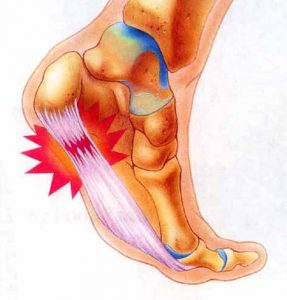
Plantar fasciitis ("PF") involves pain and inflammation of a thick band of tissue called the plantar fascia, which runs vertically across the bottom of your foot, connecting your heel bone to your toes.  Plantar = sole of the foot.  Fasciitis = inflammation ("itis") of the fascia.  PF can affect one or both feet and is a common cause of heel pain or pain in the arch that can range from mild to debilitating.  Pain is often worse in the morning and after sitting for a length of time.


Not every case of PF finds relief from medical procedures such as cortisone shots and surgery.  Reflexology is a form of bodywork applied to the feet that is a tool worth considering for its non-invasive nature and holistic approach to wellness.  Doctors often recommend friction massage to the bottom of the foot, but a reflexologist looks further at how PF affects the entire body and may apply a broader approach with attention to other areas

Holistic Approach for Helping Plantar Fasciitis (“PF”)

If you have been diagnosed with Plantar Fasciitis, you’ve likely tried conventional methods of treatment from physical therapy to medications.  These may provide temporary relief but the pain often returns weeks, months or even years later.  What’s missing?  Addressing the cause and effect.


Causes and Aggravants
  • ·      Increase in physical activity (walking, running, standing, exercise equipment)
  • ·      Non-supportive footwear (high heels, slippers, flip flops, extremely flat sandals)
  • ·      Faulty foot/leg structure, injuries, weak arches, improper gait
  • ·      Excess body weight.  A force of 3x our weight is absorbed through legs and feet with each step.  So, a 200 lb. body exerts 600 lbs. of pressure into the feet.


Reasons PF Symptoms Return:
  • ·      Band-aid treatments (drugs, braces, shots), not seeking the causes
  • ·      Inconsistent treatment or stopping short of frequency to get results
  • ·      Lack of self-care with exercise, stretching, ice therapy, etc.
  • ·      Lifestyle habits remain that cause or aggravate or worsen PF
  • ·      Maintenance sessions aren’t schedule for preventative measures
  • ·      Use of medications that mask pain and give a false sense of resolve


How Can Reflexology Help PF

With the application of specific techniques, reflexology can improve circulation for lower legs and feet, reduce adhesions in fascia, help to ease muscle tension and provide pain relief.  Lymphatic techniques reduce soft-tissue inflammation.  Reflexology stimulates endorphins to reduce pain overall.  Cold therapy reduces inflammation while heat therapy reduces pain.

Dr. Andrew Weil, MD comments on reflexology:
“Reflexology is a foot-focused therapy…a health-supporting treatment.  I’ve prescribed reflexology for plantar fasciitis and foot and ankle problems with good result.”

If you have PF, consider adding reflexology to your regiment of care.  Call (210) 967-4400 for more information or to schedule your appointment.

Monday, July 1, 2013

Fifth, Sixth and Seventh Chakras

The 5th Chakra is located at the throat, is known as the Throat Chakra and is associated with the color blue. Physical symptoms arising from a blockage of this chakra include:

  • Lung and Throat issues
  • Hearing and Neck problems
  • Allergy and Jaw issues
Emotional symptoms of the Throat Chakra include:
  • Rage and mental confusion
  • Stubbornness & Repressed emotions
  • Fear of speaking and Anguish over communication
  • Self loathing
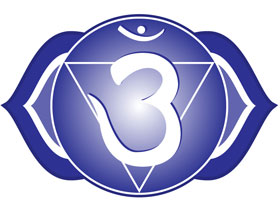
The 6th Chakra is the Third Eye Chakra, is located on the forehead between the eyebrows, and is associated with the color purple. This chakra's physical symptoms include:
  • Eye and Ear problems
  • Headaches and Allergies
  • Anxiety and Insomnia
  • Fatigue and Dizziness
  • Hormonal imbalances and Development issues
Third Eye Chakra emotional symptoms include:
  • Feeling overwhelmed and isolated
  • Problems coping with anger
  • Anxiety and Lack of joy
  • Scattered thinking and Self criticism
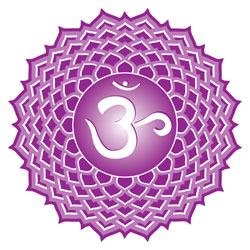
The 7th Chakra is the Crown Chakra, is located at the top of the head and is associated with the colors gold and white. Physical symptoms of the Crown Chakra include:
  • Alzehimer's and Parkinson's
  • Schizophrenia and Depression
  • Dizziness and Epilepsy
  • Psychosis and Neurosis
  • Headaches and Dizziness

Emotional problems may include:
  • Lack of self understanding
  • Major depression
  • Lack of direction

Monday, June 24, 2013

Third & Fourth Chakra

The Third Chakra is known as the Solar Plexus Chakra and is located just below the ribcage. The color of this chakra is yellow. Blockages of this chakra can cause physical symptoms including: 

  • Food Allergies & Digestive problems
  • Liver & Gall Bladder issues
  • Chronic Tiredness & Anemia

Emotional problems include:

  • Fear & Anger
  • Bitterness & Pride
  • Prolonged uncertainty & Dread
  • Powerlessness & Disappointment


The Fourth Chakra is the Heart Chakra and is located at the center of the chest. The Heart Chakra's color is green. Physical symptoms from blockage of this chakra include:
  • Breast & Heart issues
  • Immune Disorders & Lung problems
  • Pain in the lower arms and hands & Sleep disorders

Emotional problems may include:
  • Feeling attacked by life
  • Desperation & Fear
  • Feeling stifled
  • Hopelessness & Despair

Monday, June 17, 2013

First and Second Chakra


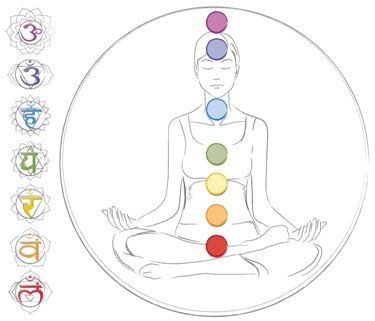
Chakras are located on points on the body where vital energy runs.  The most widely used modern model of the chakras associates each chakra with a color of the rainbow. Each color of the rainbow vibrates on its own frequency and can be used to balance its matching chakra.


The first chakra is known as the Root Chakra, is located level with the coccyx and is associated with the color red. Physical symptoms that can be relieved by working with the Root Chakra include:

  • Addictions & Depression
  • Digestive Issues
  • Migraines
  • Weight gain/ loss
  • Issues with Legs and Feet
  • Skin Disorders
Emotional issues associated with the Root Chakra include:
  • Anger of the past
  • Fear of deadlines, Letting go & Abandonment
  • Guilt & Grief
  • Numbness & Uncertainty

The second chakra is known as the Sacral Chakra, is located level with the sacrum and is associated with the color orange.  Physical symptoms relieved by working with the Sacral Chakra include:
Bladder & Reproductive issues
Creative blocks

Emotional issues include: 
  • Embarrassment & Shame
  • Distrust & Impatience
  • Nervousness
  • Blaming others
  • Frustration
If you would like to experience Chakra Balancing, schedule an appointment with Maritza. We also offer Reiki classes that teach more about chakras.

    **Please note: Chakra Balancing is not a substitute for sound medical advice. Please do not encourage patients or clients to rely on Chakra Balancing to the exclusion of a physician’s treatment or advice.


Saturday, June 8, 2013

Reiki-What is it?

usui reiki san antonio, reiki san antonio
Mikao Usui
History:
Reiki (pronounced Ray-Key) is an ancient 2,500-year-old healing technique that was rediscovered in the 1850’s in Kyoto Japan by a Japanese teacher named Mikao Usui. After discovering the healing techniques from the Sankskrit Sutras, Dr. Usui began traveling through Japan teaching and sharing Reiki healing.

How does Reiki works:
A person giving Reiki taps into the limitless energy of the Universe and in effect is a conduit for the flow of healing energy. The energy instinctively goes where it is needed most. Those who give Reiki are simply allowing themselves to be used to give unconditional loving energy.  

Benefits of Reiki:
  • Reiki is safe for everyone, including animals and children
  • Reiki balances the body’s energies
  • Reiki helps cleanse the body of toxins
  • Reiki functions on all levels: physical, spiritual and emotional
  • Reiki reduces stress and anxiety
  • Reiki is comforting and calming
  • Reiki encourages healing within the body
reiki san antonio, reiki class san antonio 
 Reiki is good for:
  • Addictions
  • AIDS
  • Alzheimer’s disease
  • Asthma
  • Chronic fatigue
  • Depression
  • Fibromyalgia
  • Insomnia
  • Pain management
  • Pre and post recovery issues related to surgery
  • in Trauma & Emergency situations (providing calm and comfort)
If you're interested in learning more about Reiki, schedule an appointment with one of our Reiki Practitioners or join us for a Reiki Class. We also offer Reiki Meetups twice a month to practitioners who are looking to trade with other practitioners.


    **Please note: Reiki is not a substitute for sound medical advice. Please do not encourage patients or clients to rely on Reiki to the exclusion of a physician’s treatment or advice.


Sunday, June 2, 2013

Reflexology: Benefits and History


Reflexology is the ancient art of stimulating reflex areas that relate to different parts of the body, including organs, muscles and glands.  Working on these reflex points can trigger physiological changes in specific areas of the body by stimulating the circulatory and lymphatic systems.  The benefits of Reflexology include reducing stress and tension, improving circulation, alleviating pain, balancing the nervous system, boosting lymphatic function, improving sleep patterns, increasing energy, relieving digestive issues and detoxifying the body.
In 1917 Dr. William Fitzgerald began studying the effects of “Zone Therapy” where he found that he could relieve pain in other parts of the body by working on corresponding “zones” in the hands and feet. Inspired by Dr. Fitzgerald’s work, Eunice Ingram did further research and discovered that feet were more responsive to pressure than hands. She also created a map of the body with the corresponding reflex points on the foot. In 1973 the first Reflexology Association was started in America and has helped to introduce the practice to many more people.

We offer Reflexology sessions as well as classes open to the general public. Experience the benefits of Reflexology for yourself!

Sunday, January 6, 2013

New Year Resolutions: Why Do We Not Want to Feel Better?

Do you ever wonder why people don't want to feel better? If you ask that person, they will say they are doing everything they can to feel better. They may even get mad at you for implying that they aren't wanting to feel better. We are after all, creatures of habit. And unfortunately those habits are part of our ability to heal ourselves or not. We get used to a certain way of being and then we don't want to, or can't, move past that way of being to feel better. Sometimes, believe it or not, we don't want to feel better. Sometimes, we are afraid of feeling better because in feeling better we will have to do something differently and we will no longer have an excuse for not doing what we have feared we need to do. Sounds complicated and very calculating I know, but think about it for a moment. Have you ever tried to help someone feel better and they find ways to sabotage you at every turn. And then at the end they say, see I told you I couldn't feel better. Ah, the exasperation of it all! The lesson in this is, don't push your own agenda onto someone else. When you try and take over someone else's life and they are not consenting, then you will fail every time. It may take a while, but they will find a way to get back there if they want to badly enough.
I hear you saying, but Mitzi what about our addicted family and friends, shouldn't we intervene? I am asking you, what happens when we intervene and they are not ready to change? They will fight you, or they will go with the program and then fall back into old behaviors. But we have to do something don't we? Sure, do something, but know that ultimately it is up to the individual to make the choice to change. And if they do not, then they will not, but maybe the next time they will. We have to let go of our attachment to the end result. It's the old addage of, you can lead a horse to water, but you can't make him drink. Lead, be an example, but their journey is ultimately their own and who are we to try to walk their journey for them.

Now we can walk people's journeys with them. I am all for helping someone who is not able to do it on their own and who has made the decision to change to make that change. That is what I do. Celebrating their successes with them and helping them see the change they have made no matter how small. Support is a significant part of change for a human being. We need to see that we have made progress and sometimes when we are in the mist of change we cannot see that subtle change so easily.

In the quest to feel better we need to be honest with ourselves. As this new year is upon us, we make our resolutions and we are going to make this the best year ever. That is awesome! Evey thing starts out with a thought. You want to change. At this point you may not know how to change, but you have the desire to change. Desire is a strong motivator. It is amazing once the desire comes to you how ways and means to fulfill your desire also come. It make take a while. If you are not used to looking and being open to your desire then you may not see what is right in front of you. Start paying attention. To your television, to what you see on the internet, to what your friends are saying. If you start becoming a observer and start watching what is going on around you, then you will start to see the answers that you seek.

People have said to me, I wish I had your insight. I tell them that it is a developed skill. I have worked for many years to get still, through meditation, and to listen. It is not always an easy task. I don't always do it in my private life and when I don't things don't go as well. I am much more insightful about other people because I do the work to center myself and listen when I am working with them.

Insight, intuition comes differently for different people. It matters whether you are visual (clairvoyant-clear seeing), auditory (clariaudience-clear hearing/listening), or kinetic (clarisentience-clear feeling/touching) in the way that you process information. I am visual and I just have a knowing about things. That would be called claircognizance.

We all have one or more of these abilities. If you truly believe we are mind, body, and spirit then you may recognize that every human being have gifts and abilities that they came into this world with and probably don't use. Think about it in your own life. You have a unique ability. If you don't know what it is, ask your friends or family, they probably know. It just may not be as pronounced as others because you haven't recognized it and cultivated it yet. So take a moment, right now and think about your gifts and abilities. For those of us with children, don't you always know when your children are up to something? That is a learned intuitive ability that we have cultivated so that we can keep our children safe. I haven't met a parent yet who doesn't have it if they think about it. What about your ability to recognize when something doesn't feel right? We call that using our gut or a gut reaction, but it is an intuitive skill that hopefully we don't ignore.

This is the same ability that makes us know that we need to change. The problem is, we tend to ignore all the intuitive signs that tell us it's time because of the blocks that we put in our way. We have a thousand excuses about why we cannot change, but the reason why we must is because that is what we were built to do. We have a prime directive here to learn, grow, evolve and become more than what we were before. When we resist that desire to move forward, we feel dis-ease, dis-contentment, and just plain bad. Have you ever been sick and just for a moment you saw it as an opportunity to just lay there and not be responsible for anything or anybody because you were sick? You had an excuse as to why you are not doing what you know you should do. Well, that can translate into behaviors that keep us on a daily basis from not doing what we know we need to do. And so we make resolutions we know we are not going to keep and then spend the rest of the time figuring out how to get out of them. We don't do this consciously. We really do, deep down, want to change we just stop ourselves from doing it until we are ready. But if we stop ourselves for too long we end up doing damage to our lives, our psyches, our bodies, and the people around us. Then we really do have some work to do to undo what we have done so that we can get back on our path.

So, the next time you make a resolution, think about why you don't want to do it and be honest. Then tackle the negatives one step at a time. For example, if you want to lose weight think about why you haven't done it up to this point. Was it because you really felt it was too much of an effort in the past to change the way you eat or the way you exercise? Was it because food is a comfort to you and you didn't want to give it up? Or was it because you would have to take responsibility for your life and you could no longer deny that you were aware there was a problem. Sounds a little harsh, but remember, if you can't be honest with yourself, then your plan to change will backfire.

Now that you have some insight into why you didn't want to change in the past, you can move forward with what you are realistically willing to do. And don't say anything, because that isn't true. You have some deal breakers that will stop you in your tracks if you are not aware of them. So, be realistic. Really say what you are willing to do. For example, you are willing to park your car further away so that you have to walk to your building. Or, you are willing to add something healthy to your normal diet every week. I am not a nutritionist, but I do know that when you make drastic dietary changes, except in the case of health emergencies, you are less likely to follow through for very long. Unless that is the decision you have made. For the majority of people, that is the thing that keeps them for changing. They feel giving up their favorite comfort foods is like giving up a part of themselves. It is a true attachment that has to be acknowledged. We truly love our food. You have to reconcile your relationship to your favorite foods and be realistic about wanting to get rid of them or modify them. So you make a gradual change in your behavior. It will take longer, but it will last longer. Then you use that wonderful intuition of yours to listen to your body when it tells you what it needs. Finally, find a way to exercise that works for you. For example, walking is something you are already doing so do more of it.

Before ending this article, I wanted to insert a note about why you may not want to feel better. It is important to check to make sure that you are not suffering from something that may keep you in a mindset of not wanting to feel better. For example, you may be suffering from anxiety or depression. I have encountered people who didn't even know they were anxious, yet exhibit all kinds of anxious behavior. The worst are those who suffer from depression and aren't aware of it. They may be those people who are low energy or lack motivation. They may have been depressed all their lives and no matter what they do to try to motivate themselves, they just can't seem to get there. It's important to check that out along with any other physical, mental, emotional, or spiritual imbalances you may be experiencing. However, don't make it an excuse for not changing!

Lastly, celebrate the little victories you have already achieved hourly, daily, weekly, monthly. It's important to acknowledge that you are at least making an effort to move forward in your life. Know that it is always about the journey, not the end result.

And as always, if you need help along the way, give me a call. I can help you find your intuition and become more internally focused. Check out my group meditation classes now offered on Saturdays at 11AM to help you with this process.

Happy New Year to the new (more insightful) you!

Mitzi